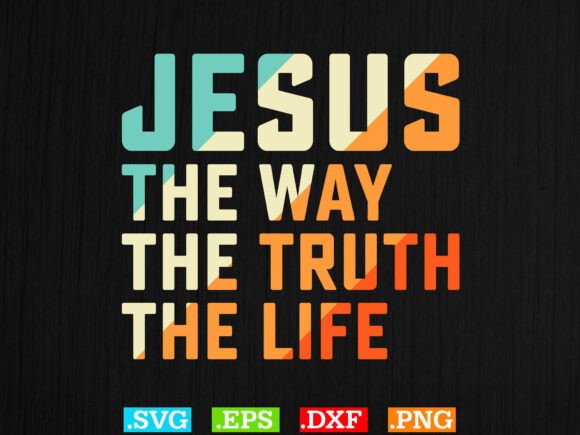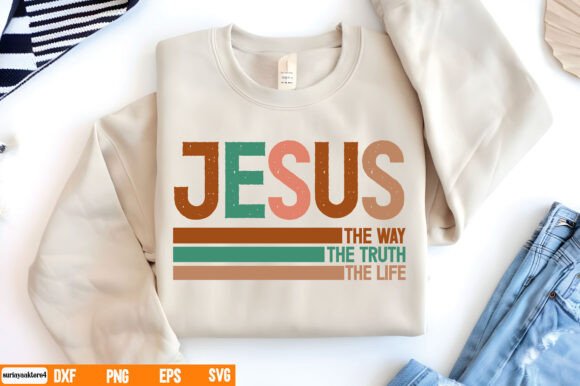
Jesus SVG PNG: A Designer’s Real-World Embroidery Review
First Impressions: Simplicity with Quiet Weight
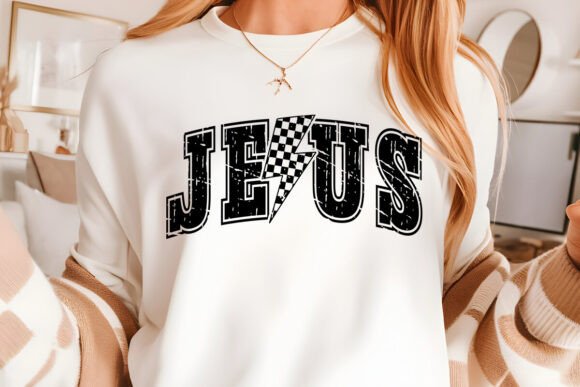
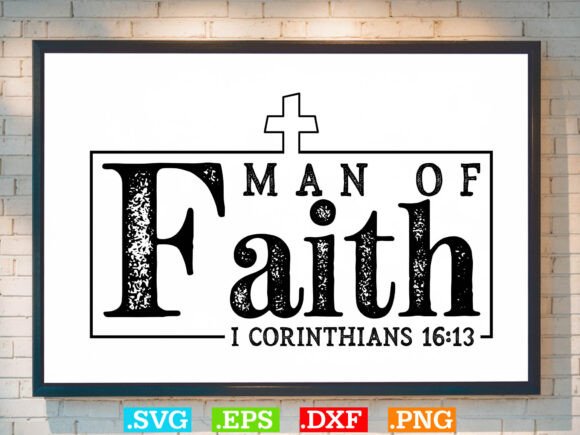
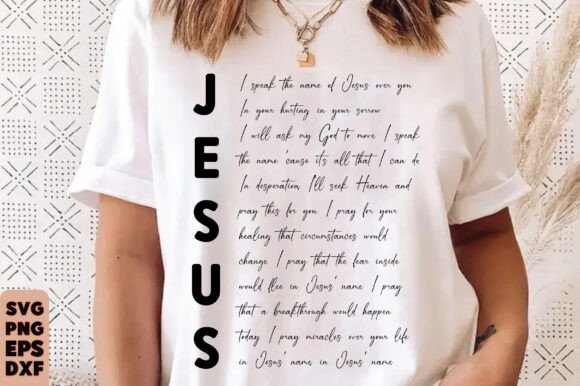
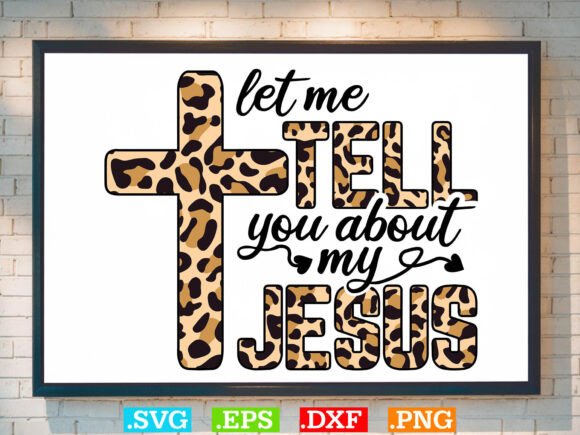
Opening the Jesus SVG PNG file, I didn’t see flashy outlines or layered gradients—I saw clean lines, balanced negative space, and a centered, reverent composition. It reads as gentle rather than ornate, modest rather than theatrical. That matters. As someone who’s stitched hundreds of faith-based designs for boutique clients and custom baby items, I know this kind of restraint translates well to embroidery—not as a limitation, but as an advantage. The silhouette is legible at small scales, the curves flow without sharp angles that snag needles, and there’s no fine linework that risks disappearing in fill stitch. It feels like a design made *for fabric*, not just screen display.
Real Project Test: A Linen Baby Bib & Cotton Sweatshirt Pair
Last week, I used Jesus SVG PNG on two very different pieces: a 4”-hoop embroidered linen bib for a newborn gift, and a 5.5”-hoop placement on a heavyweight cotton sweatshirt for a church volunteer. On the bib, the design held beautifully—no puckering, no thread breakage—even with lightweight tear-away stabilizer. The satin-stitch edges stayed crisp, and the central form read clearly against the natural linen tone. On the sweatshirt? Slightly denser stabilizer helped, but the design’s open structure meant minimal bulk—critical for something worn close to skin. Customers noticed it immediately: “It’s peaceful,” one said. “Not busy. Just… present.” That’s the quiet strength of this file—it supports intention, not distraction.
Where It Shines (and Where to Pause)
This Jesus SVG PNG works especially well for:
- Personalized gifts: Embroidered on tea towels, pillow covers, or nursery wall hangings where softness and sincerity matter more than flash.
- Boutique apparel: Sweatshirts, unisex tees, and structured tote bags—especially when paired with minimalist branding or neutral thread (ecru, charcoal, deep navy).
- Baby and toddler items: Onesies, burp cloths, and knit caps—thanks to its forgiving scale and lack of tiny interior details that fray or blur.
- Holiday and milestone pieces: Christmas ornaments, baptismal blankets, or first-birthday onesies where emotional resonance outweighs decorative complexity.
Use caution on:
- Stretchy knits (like jersey tees): Requires cutaway stabilizer + basting stitch—test first. The design’s vertical emphasis can exaggerate stretch distortion if hooping isn’t precise.
- Curved surfaces (caps, beanies): Works best above the bill or on flat crown panels—not wrapped tightly around seams.
- Dark or textured fabrics (corduroy, terry cloth): Opt for matte thread (not rayon) and slightly higher stitch density to ensure definition. Always preview in grayscale mockups.
- Small hoops under 3”: Avoid shrinking below 3.25”—the central form begins to lose distinction, especially in dense fill areas.
Design Integrity in Practice
What stands out isn’t just how it stitches—but how it *lands*. This Jesus SVG PNG doesn’t shout. It invites pause. That makes it unusually effective for handmade products where buyers seek meaning over mass appeal. On Etsy listings, it performs well in natural-light mockups—no need for heavy filters. In craft fairs, customers linger longer on items featuring it, often touching the stitch texture before asking about thread type or origin. That tactile connection? It starts with smart design architecture—and this file delivers.
It also holds up across commercial embroidery workflows. Whether you’re digitizing it further for appliqué or using it as-is for a running-stitch outline, the vector foundation stays stable. No jagged nodes, no overlapping paths—just smooth, machine-ready curves. That saves time during prep and reduces troubleshooting mid-run. For small shop owners juggling ten orders at once, that reliability is worth more than novelty.
Practical Notes Every Embroiderer Should Check
Before stitching your first Jesus SVG PNG project:
- Test on scrap fabric—same weight, same weave, same stabilizer you’ll use on the final piece.
- Review stitch density in your embroidery software. If it’s over 12,000 stitches, consider simplifying interior fills for delicate fabrics.
- Confirm hoop size compatibility—this design fits comfortably in 4×4 and 5×7 hoops, but verify your machine’s max dimensions.
- Inspect small details at 200% zoom: no stray anchor points, no hairline gaps between shapes.
- Check thread color contrast on both light and dark backgrounds—especially important for baby items where visibility affects safety perception.
- Use proper stabilizer: medium-weight cutaway for knits, lightweight tear-away for stable wovens like quilting cotton or linen.
- Verify licensing before selling finished items or bundling the file into digital embroidery kits—this is an instant-download cutting file, not necessarily a commercial-use embroidery file unless explicitly stated.
Final Thought: Design That Serves the Maker and the Meaning
This Jesus SVG PNG won’t win awards for technical dazzle—but it earns trust. It stitches cleanly. It reads clearly. It respects the wearer, the occasion, and the craft. As a T-Shirt Designs asset, it’s versatile; as a Graphics file, it’s adaptable. But its real value emerges only when placed in context: on a hand-stitched baby blanket, a volunteer’s apron, a pastor’s pocket square, or a quiet kitchen towel hung beside a prayer corner. That’s where design stops being decoration—and becomes quiet witness. If you’re building a craft business rooted in care, clarity, and consistency, this is one of those rare files that does more than fill space—it holds space.